








### Decoding Med-Tech’s AI Pivot: What Recent Hires Tell Us About the Future
On the surface, a press release about a new executive hire or a key promotion is standard industry news. We see announcements from companies like Cirtec Medical, InspireMD, and Kestra Medical and often file them away as simple personnel changes. However, for those of us tracking the technological trajectory of medicine, these moves are much more than a C-suite shuffle. They are powerful leading indicators of a fundamental paradigm shift: the deep, irreversible integration of data science and artificial intelligence into the very core of the med-tech industry.
To understand what’s happening, you have to look beyond the titles and analyze the skill sets and strategic imperatives these new leaders represent.
—
### The New Mandate: From Smart Devices to Intelligent Ecosystems
The first-generation of “smart” medical devices was defined by connectivity and data collection. A modern pacemaker, a continuous glucose monitor, or a wearable defibrillator is a marvel of engineering, but its true value is no longer just in its physical function. The value is in the continuous, high-fidelity data stream it produces.
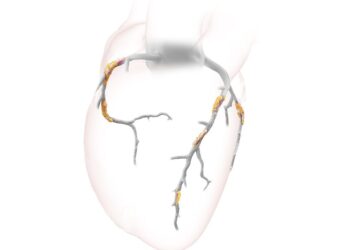
Recent leadership appointments in this space signal a move into the next generation: building the intelligent ecosystems that make this data actionable. Consider a company like **Kestra Medical**, which operates in the cardiac monitoring space. Hiring a leader with a strong background in software development or data infrastructure isn’t just about improving the device’s firmware. It’s about building the cloud-based analytical engine that can:
* **Predict adverse events:** Move from reactive alerts to proactive, personalized risk stratification using machine learning models trained on vast ECG datasets.
* **Optimize device performance:** Use real-world data to inform next-generation hardware design and battery management algorithms.
* **Create digital twins:** Model a patient’s cardiac behavior to simulate responses to different therapies or lifestyle changes.
This requires more than a brilliant hardware engineer; it requires a leader who thinks in terms of data pipelines, scalable compute, and algorithmic validation.
### Operational AI: The Competitive Edge in Manufacturing and R&D
The AI revolution isn’t confined to the patient-facing product. It’s also transforming the nuts and bolts of the industry. Take **Cirtec Medical**, a key player in outsourced design and manufacturing. When a company like this brings in new operational leadership, the mandate is no longer solely about traditional lean manufacturing or supply chain logistics.
Today, the competitive edge comes from operational AI. We’re talking about:
* **Predictive Maintenance:** Using sensor data and ML to predict when a complex manufacturing machine will fail, preventing costly downtime and production delays.
* **Computer Vision for Quality Control:** Deploying AI-powered cameras on the assembly line to spot microscopic defects in components with a speed and accuracy that surpasses human capability.
* **Supply Chain Optimization:** Leveraging predictive analytics to model demand, manage inventory, and navigate the complex global supply chain, a critical function in the post-pandemic era.
Hiring leaders who understand how to implement and scale these technologies is a direct investment in resilience, efficiency, and quality. It’s a signal that the company is building a smarter, more agile operational backbone.
### Data as a Clinical Asset: The Power of Real-World Evidence
Finally, let’s look at a company like **InspireMD**, focused on neurovascular devices to prevent strokes. The clinical data generated by its C-Guard™ EPS device is invaluable. In the past, this data was primarily used for regulatory submissions and post-market surveillance.
Today, new commercial and clinical leaders are expected to treat this data as a strategic asset. By applying advanced analytics and AI, this aggregated, anonymized data can generate powerful Real-World Evidence (RWE). This RWE can be used to:
* **Accelerate regulatory approvals:** Supplement traditional clinical trial data to demonstrate safety and efficacy in a broader, more diverse patient population.
* **Justify reimbursement:** Prove long-term value and improved patient outcomes to payers and healthcare systems, strengthening the economic case for adoption.
* **Inform clinical strategy:** Identify patient subgroups who benefit most from the technology, paving the way for personalized treatment protocols.
A leader who can harness this data effectively can fundamentally change a company’s market position, transforming it from a device seller into a solutions provider backed by a mountain of evidence.
—
### Conclusion: Talent is the Tell
The recent personnel moves at Cirtec, InspireMD, and Kestra are more than just new names on an org chart. They are a clear sign that the med-tech industry is aggressively recruiting the talent needed to execute an AI-driven strategy. The line between “med-tech” and “health-tech” is dissolving. The companies poised to lead the next decade will be those that infuse data science and machine learning not just into a single product or department, but into the DNA of their leadership, operations, and clinical strategy. Keep an eye on the hires—they’re the clearest blueprint we have for the future.
This post is based on the original article at https://www.bioworld.com/articles/724107-appointments-and-advancements-for-sept-17-2025.