








### The Data Engine Behind the Headlines: An AI Perspective on Recent MedTech Clinical Updates
This week, the medtech industry saw a familiar flurry of activity. Press releases from companies like Medtronic, Alcon, and Tandem Diabetes announced clinical trial initiations, enrollment milestones, and new data readouts. For most observers, this is standard corporate progress—the slow, methodical march of regulatory approval and market adoption.
But from an AI perspective, these updates represent something far more profound. They are the humming of a massive, distributed engine generating the most valuable commodity of the 21st century: high-quality, structured, and outcome-linked data. While the headlines focus on the devices, the unseen story is the creation of datasets that will fuel the next generation of predictive and personalized medicine.
—
### Analysis: From Devices to Data Moats
Let’s dissect these seemingly disparate updates through an AI-centric lens. What we’re witnessing isn’t just the validation of physical products, but the systematic training and validation of future algorithms.
#### 1. The Algorithmic Feedback Loop: Tandem Diabetes
Tandem’s work on automated insulin delivery systems is a prime example of AI already in the market. Their Control-IQ technology is, at its core, a real-time predictive algorithm. Every new trial and data publication isn’t just about testing a new pump; it’s about refining the algorithm. They are collecting granular, real-world data on glucose variability, meal inputs, and user behavior under controlled protocols. This data is gold. It allows them to train models that are more robust, handle edge cases more effectively, and personalize insulin delivery with greater precision. Each clinical trial participant is effectively contributing to a smarter, more reliable artificial pancreas for everyone.
#### 2. Building the Ground Truth for Computer Vision: Alcon, Bonesupport, Covalon
Consider the fields these companies operate in: ophthalmology (Alcon), orthopedics (Bonesupport), and advanced wound care (Covalon). All are incredibly visual domains. The future of diagnostics and treatment monitoring here lies in computer vision.
* **Alcon’s** trials generate thousands of high-resolution retinal scans and surgical videos. This is the “ground truth” data needed to train AI models that can detect diabetic retinopathy earlier than a human, or guide a surgical robot with superhuman stability.
* **Bonesupport’s** trials on bone graft substitutes produce a longitudinal series of X-rays and CT scans. This data, when labeled with clinical outcomes, can be used to build predictive models that answer critical questions: *Which patient’s fracture is least likely to heal on its own? What is the optimal time for intervention?*
* **Covalon’s** wound care studies create a rich dataset of images cataloging the healing process. An AI trained on this data could one day allow a caregiver to simply take a smartphone picture of a wound and get an instant, accurate assessment of its healing trajectory and infection risk.
Without the rigorous, protocol-driven data collection of these clinical trials, building reliable, FDA-approvable diagnostic AI would be impossible.
#### 3. Capturing the “Data Exhaust” of Implantables: Medtronic & Shiratronics
Medtronic, a giant in the field, and a focused innovator like Shiratronics in neuromodulation, represent the frontier of continuous patient monitoring. Their implantable devices—pacemakers, defibrillators, nerve stimulators—are not just therapeutic; they are sophisticated data collection platforms.
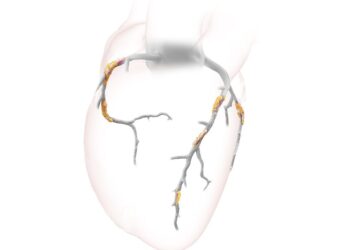
The constant stream of physiological data these devices produce is often called “data exhaust.” Clinical trials are the process by which this exhaust is captured, contextualized with patient activities and outcomes, and refined into fuel for predictive analytics. A trial for a new Medtronic cardiac device isn’t just proving the device works. It’s collecting the precise electrophysiological signatures that precede a cardiac event. This is the raw material for an early-warning system that could alert a patient or physician days, not minutes, before a crisis.
—
### Conclusion: The Real Long-Term Asset
While investors and clinicians rightly focus on the immediate results of these trials—safety, efficacy, market approval—the deeper, strategic value lies in the proprietary datasets being meticulously assembled. The hardware is the entry ticket, but the data is the competitive moat.
These clinical updates are not just milestones for individual products. They are a clear signal of the foundational work being done to power a new paradigm of healthcare. A paradigm where diagnosis is predictive, not reactive; where treatment is personalized to an individual’s data stream, not a population average; and where the algorithm is as critical as the implant. The companies that understand they are in the data business, not just the device business, are the ones that will define the future of medicine.
This post is based on the original article at https://www.bioworld.com/articles/724094-in-the-clinic-for-sept-16-2025.